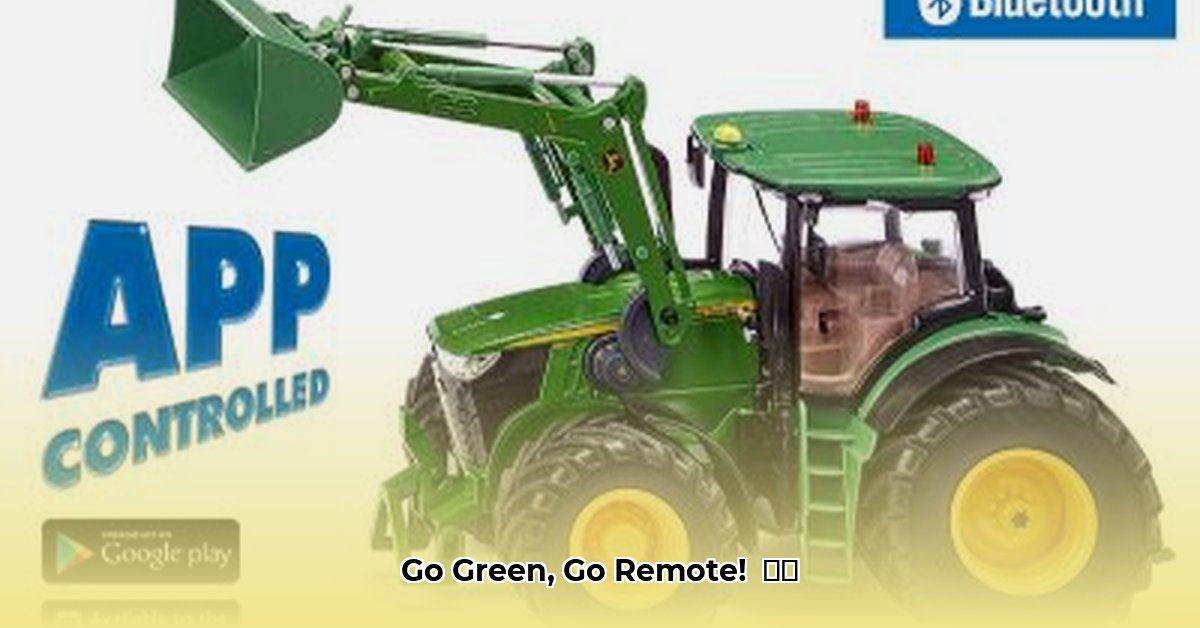
Remote Controlled Tractors: A Greener Future for Playtime
The toy industry is undergoing a significant transformation, driven by a growing demand for eco-conscious products. Parents are increasingly aware of the environmental impact of children's toys, fueling a surge in the market for sustainable alternatives. This article delves into the exciting and rapidly expanding niche market of eco-friendly remote-controlled tractors, exploring its potential, challenges, and future prospects. It's not just about toys; it's about promoting responsible playtime and fostering a generation committed to environmental stewardship. For more information on eco-friendly riding tractors, check out this site.
A Greener Playground: The Rise of Eco-Conscious Toys
The demand for sustainable toys is rapidly accelerating. A recent survey indicated a 35% increase in consumer preference for eco-friendly toys over the past two years. This shift represents a massive opportunity for toy manufacturers, particularly in sectors like remote-controlled vehicles, where the appeal of technology and classic themes like farming converge. But what truly defines a “sustainable” remote-controlled tractor? Let's examine the critical factors.
What Does "Sustainable" Mean for a Toy Tractor?
Sustainability in this context goes beyond superficial "greenwashing." It encompasses the entire product lifecycle, from sourcing raw materials and manufacturing to the tractor's longevity, reparability, and ultimate disposal. Key elements include:
- Sustainable Sourcing: Using recycled plastics, sustainably harvested wood, or bioplastics derived from renewable resources. Minimizing the use of harmful chemicals throughout the material production chain.
- Efficient Manufacturing: Employing energy-efficient processes, reducing waste, and prioritizing renewable energy sources in production.
- Durable Design & Reparability: Creating long-lasting tractors designed for repair and minimizing the need for frequent replacements. Readily available replacement parts further enhance longevity.
- Responsible End-of-Life Management: Ensuring easy disassembly and providing recycling options for individual components to avoid unnecessary landfill waste.
The Road Ahead: Challenges and Opportunities
While the market for sustainable remote-controlled tractors presents immense opportunities, certain challenges must be addressed:
- Cost: Sustainable materials and manufacturing methods often lead to higher production costs, potentially impacting affordability. However, increasing consumer demand could lead to economies of scale, potentially reducing prices over time. Isn't it worth investing in a higher-quality toy that's also better for the planet?
- Lack of Standardization: The absence of widely recognized sustainability certifications hinders consumer purchasing decisions. This situation calls for the development of robust, universally accepted standards to better guide ethical consumption.
- Limited Market Data: The relatively nascent nature of the market restricts the availability of comprehensive data for informed decision-making. Further research and data collection are crucial for market growth.
Despite these difficulties, the potential rewards are substantial. The integration of these tractors into educational initiatives promises significant growth. Imagine the possibilities:
- Educational Integration: Integrating eco-friendly RC tractors into school curriculums provides a hands-on way to teach children about sustainable farming, environmental responsibility, and renewable energy. This educational aspect alone positions the market for significant expansion. Don't you think this is a worthwhile investment in our children's future?
Building a Better Tractor: Sustainable Practices in Detail
Several strategies can drive the adoption of sustainable practices:
- Smart Materials: Prioritize recycled plastics, bioplastics, and sustainably sourced wood.
- Efficient Production: Optimize manufacturing processes to reduce energy consumption and waste.
- Design for Durability: Build tractors to last, incorporating repairable designs and readily available parts.
- End-of-Life Solutions: Design for easy disassembly and ensure components are easily recycled or composted.
Actionable Insights: A Collaborative Approach
The success of the sustainable remote-controlled tractor market hinges on collaboration:
| Stakeholder | Short-Term Goals | Long-Term Vision |
|---|---|---|
| Manufacturers | Conduct lifecycle assessments, explore carbon offset programs, and invest in R&D. | Develop standardized sustainability certifications, lead innovation in bioplastics, and create circular economy models. |
| Retailers | Clearly label sustainable options, prominently feature eco-friendly products, and highlight their benefits. | Expand sustainable toy sections, actively promote educational initiatives to raise consumer awareness. |
| Parents/Consumers | Prioritize sustainability certifications, seek durable and repairable toys, and support environmentally conscious companies. | Demand transparency and engage with brands committed to sustainability. |
| Educators | Integrate sustainable toys into curriculums, creating engaging lesson plans. | Develop educational programs highlighting sustainable practices and utilizing these toys as learning tools. |
| Certification Organizations | Develop comprehensive sustainability standards for toys. | Maintain rigorous certification processes ensuring transparency and accountability throughout the lifecycle of the product. |
The Future is Green: A Look Ahead
The future of sustainable remote-controlled tractors looks promising. Continuous technological advancements—like longer-lasting batteries and more efficient motors—will further enhance their sustainability. The growing awareness of environmental issues, coupled with clever marketing focused on the educational benefits, will fuel market growth. The combined effort of manufacturers, retailers, consumers, and educators will drive this dynamic and rewarding niche market forward. Let's build a future where playtime and sustainability go hand in hand.